

Implant treatment is a reliable and long-term solution for replacing missing teeth. However, what truly determines the success of an implant procedure is not only the surgical technique, but the planning carried out before treatment begins. Even a technically correct implant placement may fail to meet long-term expectations if it is not supported by proper planning.
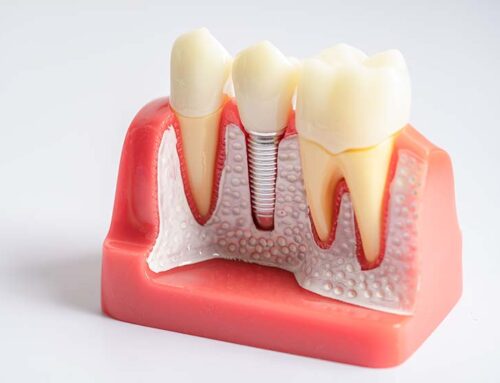
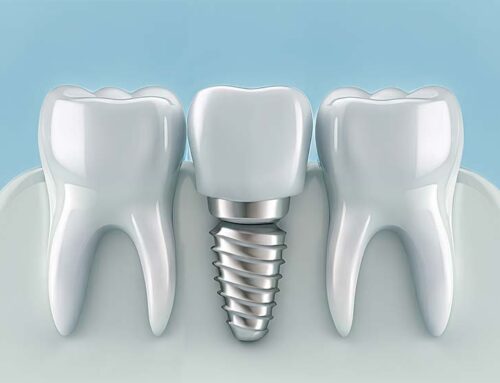
An implant should not be considered merely as a screw placed into the jawbone. The condition of the remaining teeth, the structure of the jawbone, the health of the gums and the overall oral function must all be evaluated together. This comprehensive assessment is essential to determine the correct position, angle and load distribution of the implant.
One of the most critical steps in implant planning is a detailed analysis of the jawbone. Bone height, width and density directly influence the type and placement of the implant. Since every jawbone has a unique structure, a standard implant approach cannot provide the same results for every patient. For this reason, personalized planning forms the foundation of successful implant treatment.
Planning is not limited to bone structure alone. The bite relationship, chewing forces and the condition of the opposing teeth must also be taken into account. If these factors are overlooked, excessive load may be transferred to the implant, increasing the risk of complications affecting both the implant and surrounding tissues over time.
Aesthetic expectations are another essential part of the planning process. Especially in the anterior region, implant treatment must consider not only the position of the tooth but also gum harmony and the smile line. A well-planned implant provides not only functional success but also a natural-looking aesthetic outcome, which can only be achieved through careful pre-treatment evaluation.
The patient’s general health status is also evaluated during the planning phase. Certain systemic conditions or medications may influence the timing and method of implant treatment. Therefore, implant planning should be based not only on oral examination but also on a comprehensive review of the patient’s medical history.
Proper planning makes the implant treatment process more predictable. Treatment duration, healing period and expected outcomes can be clearly defined in advance. This creates a safer and more controlled treatment experience for both the clinician and the patient.
In conclusion, the success of implant treatment largely depends on careful planning before the procedure. A well-planned implant does more than replace a missing tooth; it helps maintain overall oral balance and provides long-term comfort. The true difference in implant treatment lies not in the technique alone, but in this holistic planning approach.




Leave A Comment