
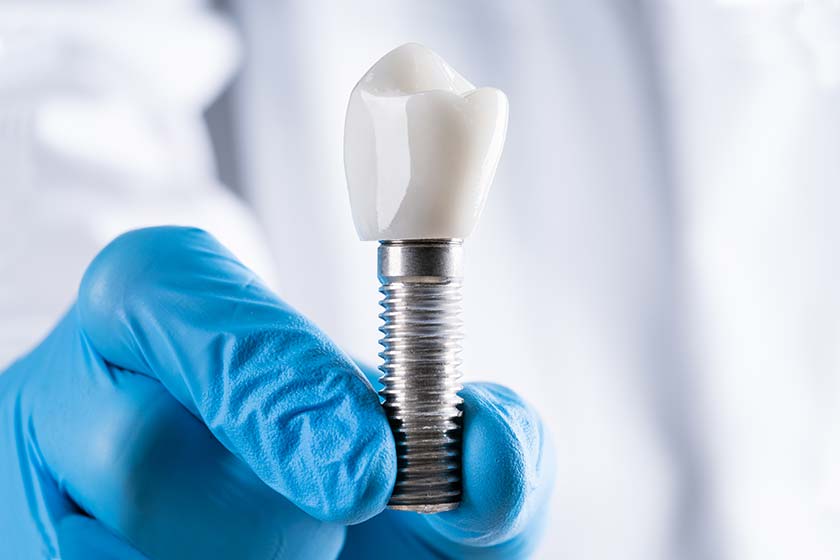
Dental implants are one of the most successful and long-lasting solutions for replacing missing teeth. However, the longevity of dental implants depends not only on the quality of the treatment but also on the patient’s daily habits and oral care routine.
So, what can you do to help your dental implants last longer? Here are eight important habits that can contribute to the long-term success of your implants.
1. Brush Your Teeth Regularly and Properly
Although dental implants cannot develop cavities, the gums and bone surrounding them can still be affected by infections and inflammation.
Brushing your teeth at least twice a day using the correct technique is one of the most important steps in maintaining healthy implants.
2. Use Dental Floss and Interdental Brushes
A toothbrush cannot always reach every area around your teeth and implants. Plaque and bacteria may accumulate in hard-to-clean spaces.
Using dental floss or interdental brushes helps keep the areas around implants clean and supports healthy gum tissue.
3. Do Not Skip Regular Dental Check-Ups
Even after successful implant treatment, regular dental visits remain essential.
During routine examinations, your dentist can monitor the health of the implant and surrounding tissues and identify potential issues before they become more serious.
4. Reduce or Quit Smoking
Smoking is one of the most significant risk factors affecting gum health. It can slow down healing and negatively impact the tissues supporting dental implants.
For patients with dental implants, quitting smoking can significantly improve long-term treatment outcomes.
5. Address Teeth Grinding and Clenching
Grinding or clenching your teeth, especially during sleep, can place excessive pressure on implants and restorations.
In some cases, your dentist may recommend a night guard to help protect your implants from unnecessary stress.
6. Avoid Biting Hard Objects
Chewing ice, cracking nuts with your teeth, or biting other hard objects can damage both natural teeth and implant-supported restorations.
Avoiding these habits can help preserve your implants for many years.
7. Maintain a Healthy and Balanced Diet
Good oral health is closely linked to overall health. A balanced diet rich in essential vitamins and minerals supports healthy gums and bone tissue around implants.
Proper nutrition contributes to the long-term stability and success of dental implant treatment.
8. Take Care of Your Gum Health
The long-term success of dental implants depends not only on the implant itself but also on the health of the surrounding gums.
If you notice symptoms such as bleeding, swelling, or gum sensitivity, it is important to consult your dentist promptly.
How Long Do Dental Implants Last?
There is no single answer to this question. The lifespan of dental implants varies depending on oral hygiene habits, regular dental visits, overall health, and lifestyle factors.
With proper care and professional maintenance, dental implants can remain functional and aesthetically pleasing for many years, and often for decades.
With Proper Care, Dental Implants Can Last for Many Years
The longevity of dental implants depends greatly on daily oral care habits and regular professional follow-up. Maintaining good oral hygiene, attending routine dental check-ups, and following healthy lifestyle practices can help ensure long-term implant success.
When properly cared for, dental implants can provide a reliable and durable solution for replacing missing teeth.






Leave A Comment