
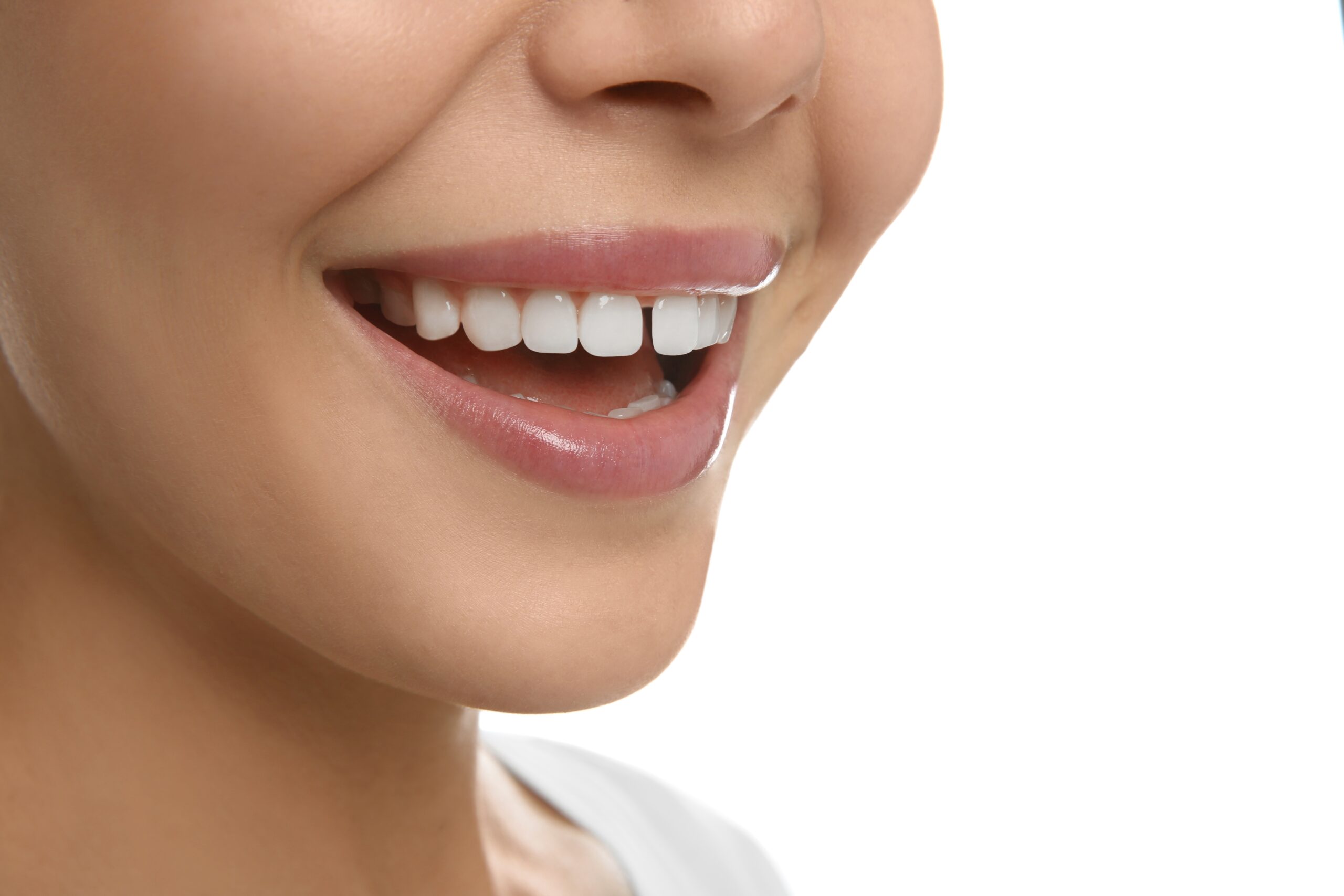
When you look in the mirror, one of the first things you may notice is the small gap between your front teeth. For some people, this gap is simply part of their unique smile, while for others it can become an aesthetic concern that affects their confidence.
Known in dentistry as diastema, these spaces can develop for a variety of reasons. In some cases, they are entirely genetic. In others, they may result from relatively small teeth, gum disease, childhood habits, or tooth movement following tooth loss.
For this reason, the first question should never be “How can the gap be closed?” but rather “Why did the gap develop?” Identifying the underlying cause is essential for achieving a natural, long-lasting result.
Does Every Gap Need Treatment?
Not necessarily.
If the gap does not affect oral health or function and you are comfortable with the appearance of your smile, treatment may not be necessary. Modern cosmetic dentistry is not about creating identical smiles for everyone; it is about achieving harmony between your teeth, facial features, and personal expectations.
However, treatment may be recommended if the gap gradually becomes wider, affects speech, is caused by gum disease, or creates aesthetic concerns.
Treatment Options for Small Gaps Between Front Teeth
There is no single solution for every patient. The most appropriate treatment depends on the size of the gap, the shape of the teeth, your bite, and your aesthetic goals.
Dental Bonding
Dental bonding is one of the most common treatments for small gaps. Using a tooth-colored composite resin, the gap can often be closed without significant preparation of the natural tooth. In many cases, treatment is completed in a single visit.
When carefully planned, bonding offers a conservative and natural-looking solution, particularly for minor spaces between the front teeth.
Laminate Veneers
If you would also like to improve the shape, size, or color of your teeth, laminate veneers may be a more suitable option.
Rather than focusing solely on closing the gap, veneers allow the entire smile to be designed as a whole. This helps maintain natural tooth proportions while creating a balanced and aesthetically pleasing appearance.
Orthodontic Treatment
Sometimes the gap is only one part of a more complex alignment problem. If tooth position or bite issues are involved, orthodontic treatment with clear aligners or braces may provide the best long-term solution.
In some cases, orthodontic treatment can later be complemented with minor cosmetic procedures to achieve the ideal final result.
Closing the Gap Is Only Part of the Process
Successful cosmetic dentistry is about much more than simply bringing two teeth together. Tooth proportions, gum levels, lip dynamics, facial symmetry, and bite relationships should all be considered during treatment planning.
Otherwise, although the gap may disappear, the teeth can appear unnaturally wide or disproportionate. The most successful results are those that look so natural they go unnoticed.
How Long Do the Results Last?
The longevity of treatment depends on the chosen technique. Composite bonding may require occasional polishing or maintenance over time, while porcelain laminate veneers can maintain their appearance for many years with proper oral hygiene and regular dental check-ups.
Regardless of the treatment method, long-term success depends on maintaining good oral health and attending routine dental visits.
The Best Treatment Is Always Personalized
Small gaps between the front teeth can be treated successfully using several modern techniques. However, no single solution is suitable for everyone. The ideal treatment is based on a careful evaluation of tooth anatomy, gum health, bite function, and each patient’s aesthetic expectations.
The goal is not simply to close a gap, but to create a healthy, balanced, and naturally beautiful smile.




Leave A Comment