
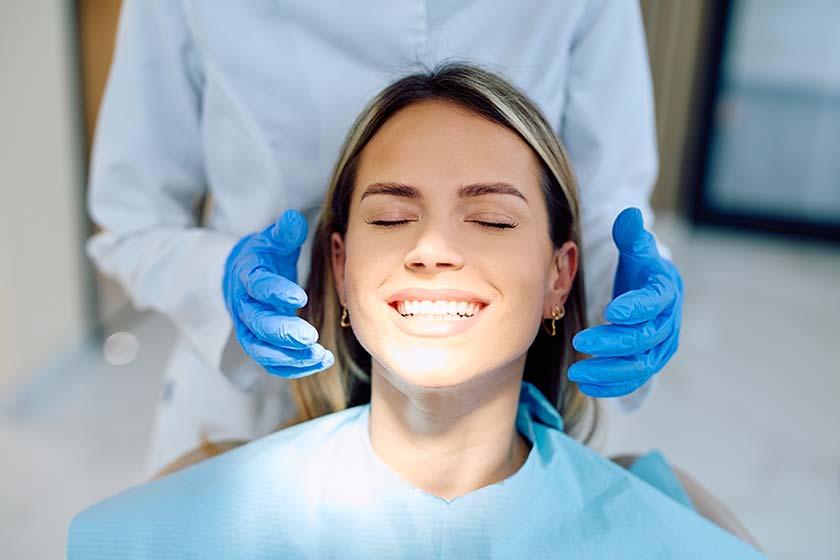
A natural smile often goes unnoticed… but its absence is immediately felt. Have you ever wondered why some smiles look artificial?
In most cases, it’s not major issues but small, overlooked details.
1. Teeth That Are Too White
Bright white teeth don’t always mean aesthetic success. A shade that doesn’t match your skin tone, age, or facial features can make a smile look unnatural.
Natural smiles usually include subtle variations in tone.
2. Teeth That Are All the Same Length
Perfect symmetry rarely exists in nature. When front teeth are exactly the same length, it can create a flat, artificial appearance.
Slight variations in length add movement and a more natural feel.
3. Tooth Shapes That Don’t Match the Face
Not every tooth shape suits every face. Facial structure, lip form, and even personal expression play a role in determining the right shape.
Poorly planned aesthetic treatments can result in a smile that doesn’t feel like your own.
4. Uneven Gum Levels
It’s not just about the teeth—gum tissue plays a key role in your smile. Asymmetry or excessive gum display can disrupt the balance.
In many cases, this can be corrected with minor adjustments.
5. Mismatch Between Lips and Teeth
A smile is more than just teeth. How the lips frame the teeth, the smile line, and how much of the teeth show when speaking all affect naturalness.
Ignoring these factors during planning can lead to an artificial result.
What Natural Smiles Have in Common
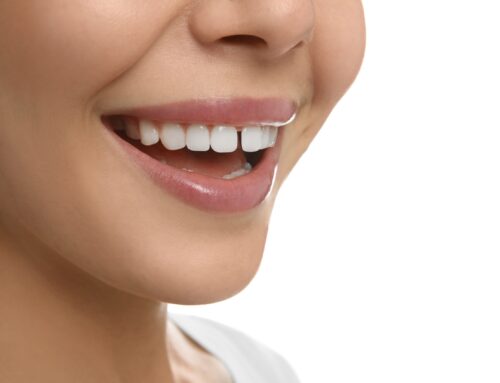
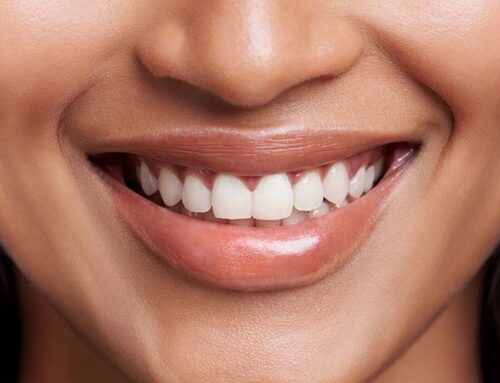
A natural smile doesn’t try to look perfect—it looks harmonious. Small details make a big difference in the overall perception.
The goal of well-planned aesthetic dentistry is not to stand out, but to create a result that looks effortlessly natural and truly fits the person.


Leave A Comment